Welcome to Science for Kids! 🔬
Are you curious about how your body works, why the sky is blue, or how a tiny seed becomes a giant tree? You are in the right place! Science is all around you — in your breakfast, in your garden, in the rain, and even inside your own body. This site turns big science ideas into fun, simple facts you can understand and try at home.
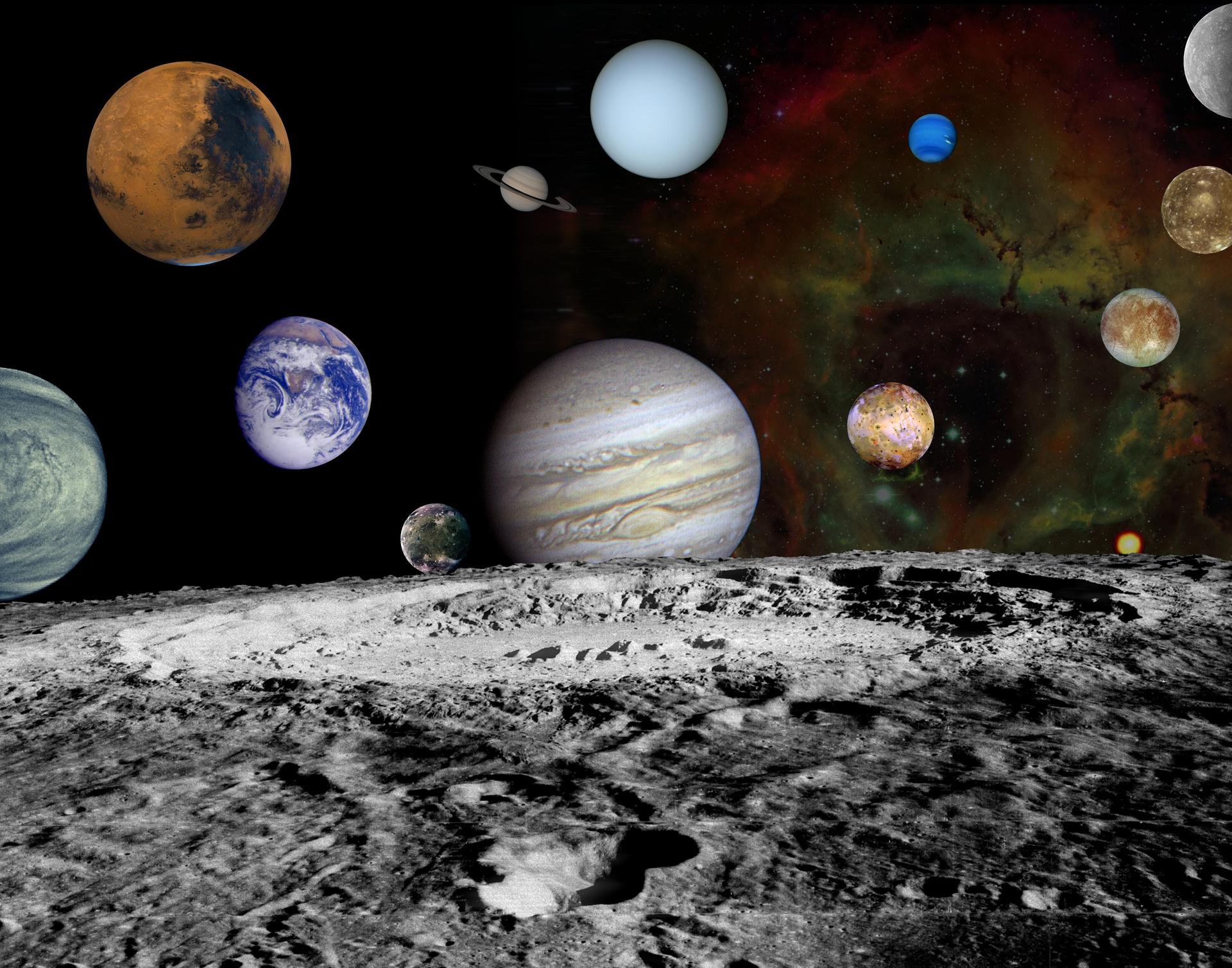
Photo: NASA
Science is not just a school subject. It is a way of asking questions about the world and finding real answers. Why do we see lightning before we hear thunder? How do birds fly? What makes the seasons change? Every question like that is the start of a science adventure — and every scientist, from Isaac Newton to the people building rockets today, started by asking a simple question just like you.
On this site you will meet your own amazing body, with its beating heart and 206 bones. You will travel to hot deserts, deep oceans and freezing Antarctica to meet animals with superpowers. You will discover how plants make their own food from sunlight, how water travels in a never-ending circle around our planet, and how rocks can tell stories that are millions of years old.
Each page is written for curious kids aged 8 to 12. The sentences are short, the ideas are clear, and every page has a "Wow!" fact, a "Try this" activity, and a word to learn. You do not need to read the pages in order — jump to whatever you are most curious about right now.
Explore the World of Science
Pick a topic and start your adventure. Every card below takes you to a full page of facts, pictures and fun activities.
The Human Body
Your heart beats about 100,000 times a day. Find out how your body does its amazing jobs.
🦁Animals
From the giant blue whale to the speedy cheetah — meet animals with real superpowers.
🌻Plants
Plants make their own food from sunlight! Learn the magic trick called photosynthesis.
🌍Earth
Journey to the centre of the Earth, where the rocks are as hot as the surface of the Sun.
💧Water & Weather
Follow a drop of water around the world, and learn why lightning comes before thunder.
⚡Energy
Energy is everywhere — in sunlight, in your food, and in a bouncing ball. Learn its many forms.
🧪Simple Experiments
Safe, fun experiments you can try at home with an adult — volcanoes, rainbows and more.
🪐The Solar System
A quick tour of the Sun and the eight planets — then fly deeper with our space site.
💎Rocks & Minerals
Diamonds, crystals, fossils and volcanoes — rocks are Earth's memory book.
🥦Food & Nutrition
What does your body do with your breakfast? Eat a rainbow and find out.
🔬Scientists
Meet Newton, Marie Curie, Einstein, Darwin and more — the curious minds who changed the world.
🧠Science Quiz
Twelve questions about everything on this site. How many can you get right?
How Do Scientists Work?
Scientists do not just know a lot of facts. They follow a simple method — a way of thinking that you can use too. It has five steps, and you already use them every day without noticing.
Step 1: Ask a question. "Why is the sky blue?" "What happens if I mix these two things?" Every discovery starts with a question. Good questions are the most powerful tool in science.
Step 2: Make a guess. Scientists call a careful guess a hypothesis. It is not a wild guess — it is a guess based on what you already know. "I think the plant near the window will grow taller, because plants need light."
Step 3: Test it. This is the fun part! Do an experiment. Put one plant in the sun and one in the dark. Watch what happens. Change only one thing at a time, so you know what made the difference.
Step 4: Look closely and write it down. Scientists are careful observers. They measure, they draw, they take notes. What exactly happened? How much? How long did it take?
Step 5: Share what you found. Science grows when people share their results. Other scientists can repeat your test and check it. If everyone gets the same result, your idea gets stronger.
One more thing scientists do: they are not afraid to be wrong. Being wrong is not failing — it is learning. Many great discoveries happened because a test did NOT work the way the scientist expected, and the surprise led to a brand-new question. So stay curious, keep asking "why?", and never stop exploring.
Why Does Science Matter?
Science helps us understand the world, but it also helps us take care of it. Science tells us why we should drink water, eat vegetables, and sleep well. It shows us how to make clean energy from the Sun and the wind. It helps doctors make medicines, helps farmers grow food, and helps engineers build safe bridges and fast computers.
Science also makes everyday life more wonderful. When you know that the light from the Sun took about 8 minutes to reach your eyes, an ordinary sunny day feels like magic. When you know that your heart has already beaten millions of times to keep you alive, your own body feels like a marvel. That is the secret of science: the more you understand, the more amazing the world becomes.
Our Home Planet
Earth is the only planet we know that has life — and what a home it is! It is covered with oceans, forests, deserts and mountains. It has air we can breathe, water we can drink, and a warm Sun that gives us light and energy. From space, Earth looks like a beautiful blue marble floating in the dark. That is why scientists work so hard to understand it and protect it.
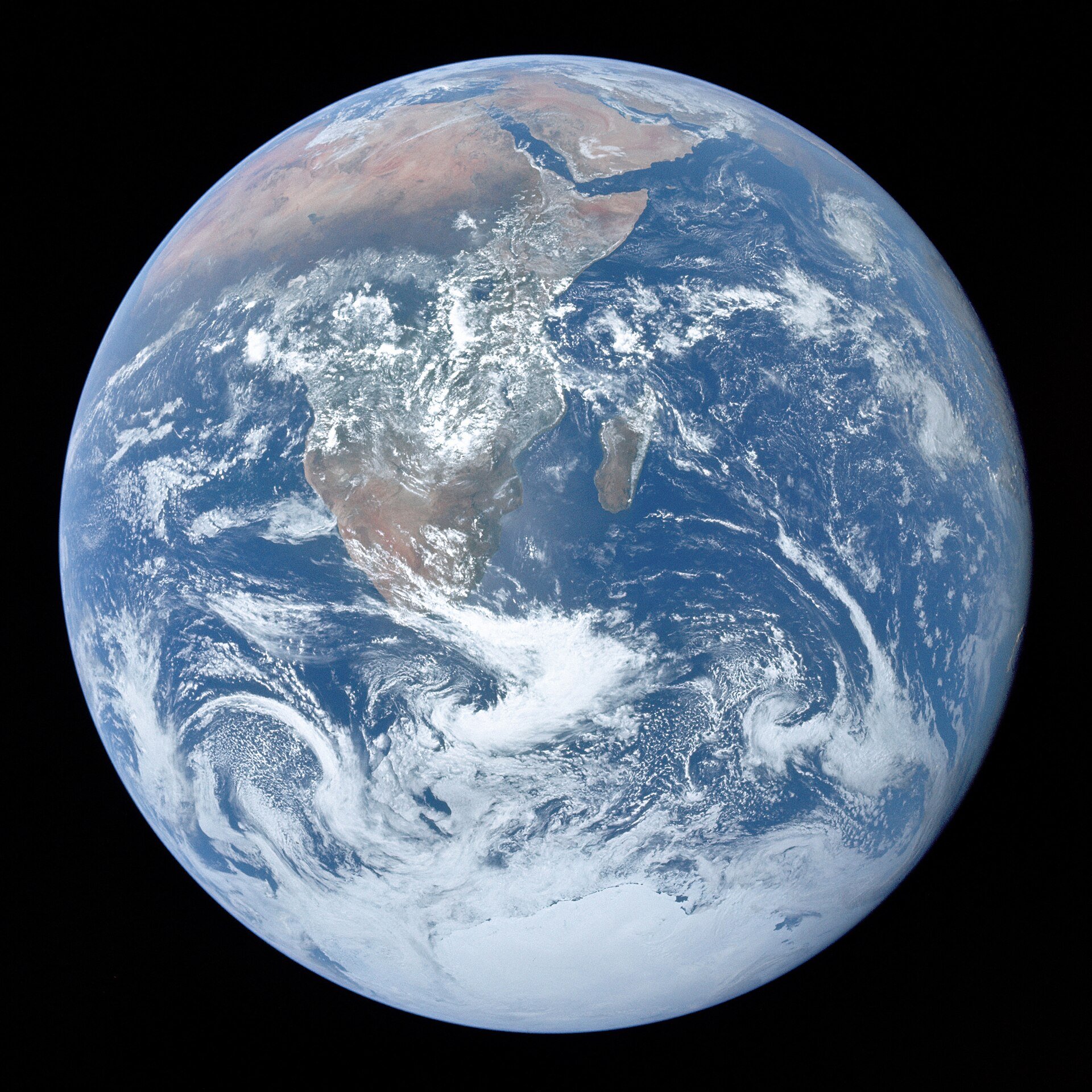
On the Earth page you can travel deep underground to the hot core, learn why we have seasons, and find out what makes mountains grow and volcanoes erupt. On the Solar System page you will see how tiny Earth is compared to the Sun — and why that makes our planet even more special.
Science Words You Will Meet
Scientists use special words, but every one of them is simple once you know it. A hypothesis is a careful guess you can test. An observation is something you notice with your senses or your tools. Evidence is the information you collect that shows whether your guess was right. An experiment is a fair test — you change one thing and watch what happens. And a theory is a big idea that has been tested many times by many scientists and has passed every test so far. Do not worry if these words feel new: every page on this site explains its science words in a little "Word to know" box, so you will collect them one by one as you explore.
Start Exploring!
So, young scientist — where will you begin? If you love animals, start with Animals and meet the fastest, biggest and strangest creatures on Earth. If you like doing things with your hands, go straight to Simple Experiments and make your own volcano. If you want to test yourself, take the Science Quiz — but you might want to read a few pages first!
Remember: you do not need a laboratory or a fancy telescope to be a scientist. You need curiosity, a good question, and the courage to test your ideas. The world is full of wonders waiting for someone exactly like you to discover them. Happy exploring!
