Energy All Around Us ⚡
Energy is what makes things happen. It lights your room, warms your food, moves your bicycle and powers your tablet. You cannot see energy itself, but you can see what it does. Let's explore its many forms.
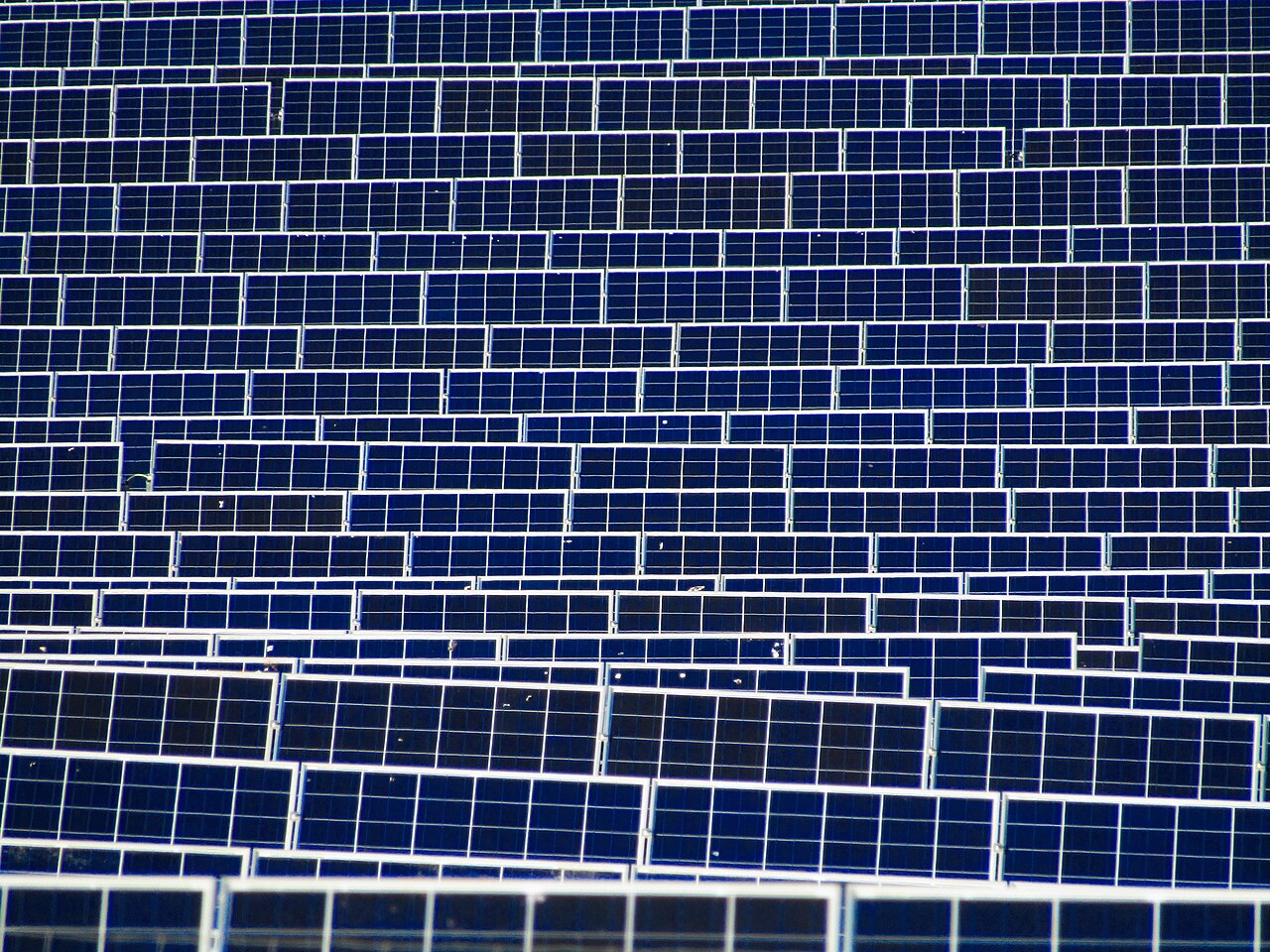
Photo: Wikimedia Commons
Scientists say that energy cannot be created or destroyed — it can only change from one form to another. When you eat food, the chemical energy in the food changes into movement energy in your muscles and heat energy that keeps you warm. When you switch on a lamp, electrical energy changes into light energy and heat energy. Energy is always changing, never disappearing.
The Many Forms of Energy
Light energy comes from the Sun, from lamps and from fire. Light travels incredibly fast — about 300,000 kilometres every second! That is why sunlight takes only about 8 minutes to reach us from the Sun, even though the Sun is about 150 million kilometres away.
Heat energy is what makes things warm. The Sun warms the Earth, a fire warms your hands, and your body makes its own heat from the food you eat. Heat always flows from hot things to cold things — that is why a cold drink warms up on a hot day.
Sound energy travels as vibrations through the air. When you speak, your voice makes the air vibrate, and those vibrations travel to someone else's ears. Sound travels much more slowly than light — about 343 metres every second — which is why you see lightning before you hear thunder.
Movement energy is the energy of moving things: a running child, a rolling ball, a flowing river. The faster something moves, the more movement energy it has. A bicycle rolling downhill has movement energy, and so does the wind.
Electrical energy is the energy of tiny particles called electrons moving through a wire. It powers lights, televisions, computers and fridges. Chemical energy is energy stored inside things — in food, in batteries, and in fuels like wood and petrol. When you burn wood, chemical energy changes into heat and light.
Where Does Our Energy Come From?
People get energy from many sources. Fossil fuels — coal, oil and natural gas — were formed from the remains of ancient plants and animals that lived millions of years ago. They are buried deep underground, and when we burn them they give us heat and electricity. But there are two problems: they will run out one day, because they take millions of years to form, and burning them makes gases that warm the planet.
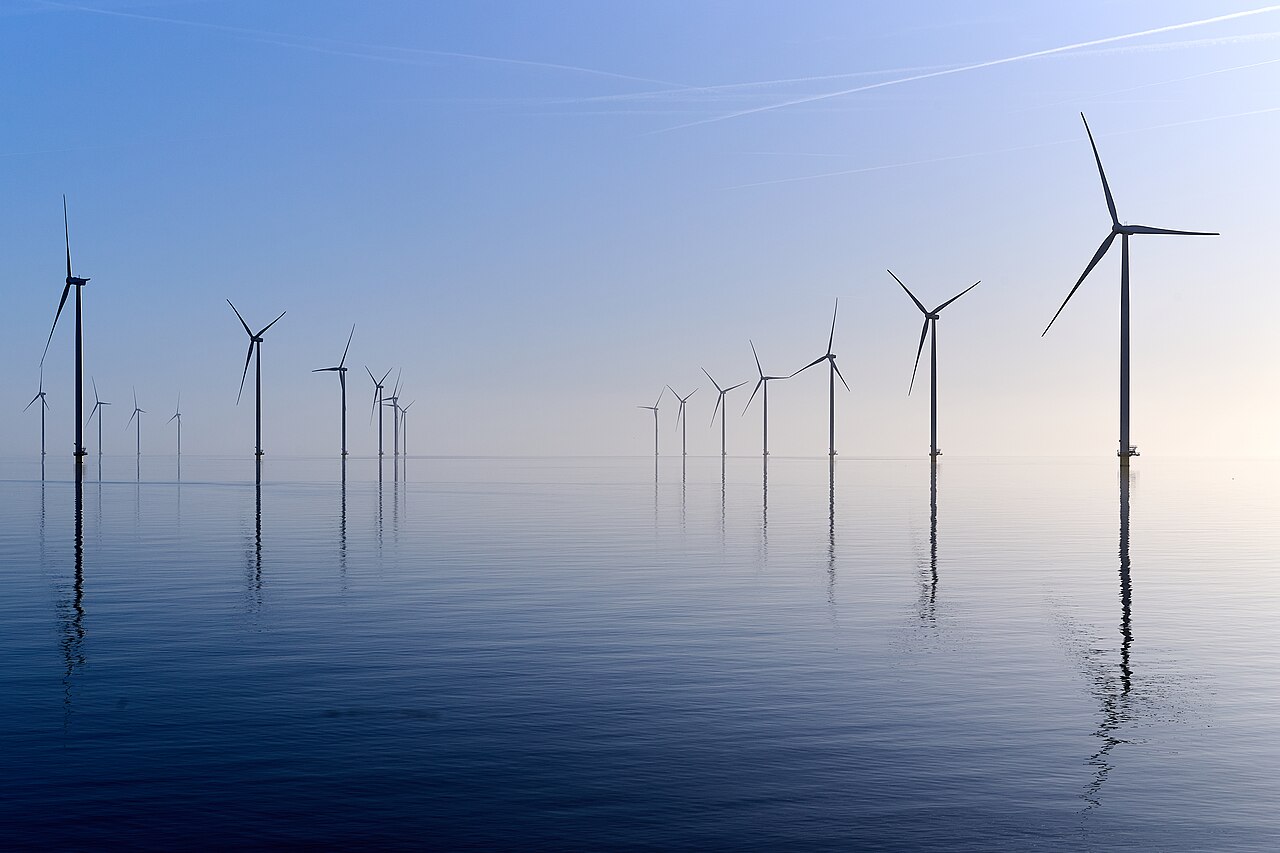
That is why the world is turning to renewable energy — energy that never runs out. Solar power uses panels to catch sunlight and turn it into electricity. Wind power uses giant turbines with long blades that spin in the wind. Hydropower uses flowing water in rivers and dams to spin turbines. And geothermal energy uses the heat from deep inside the Earth. The Sun, the wind, the rain and the Earth's heat will keep giving us energy for as long as the planet exists.
Electricity and Magnets
Electricity is all around you. Have you ever rubbed a balloon on your hair and watched it stick to a wall? That is static electricity — tiny charges that build up and then pull things towards each other. Lightning is static electricity on a giant scale, in the clouds!
A magnet is a special material that pulls iron and steel towards it. Every magnet has two ends, called the north pole and the south pole. Opposite poles pull together, but two north poles push each other away. Earth itself is like a giant magnet — that is why a compass needle always points north. Magnets are used in fridge doors, in headphones, and in the motors that spin fans and washing machines.
Electricity flows through wires to power our homes, but it can be dangerous. Never touch wires or plugs with wet hands, never put things into a socket, and always ask an adult for help with anything electrical. Scientists and engineers work hard to make electricity safe for everyone.