Wonderful Plants 🌻
Plants are amazing living things. They cannot walk, run or talk — yet they make their own food from sunlight, clean the air you breathe, and feed almost every animal on Earth. Without plants, there would be no life as we know it.
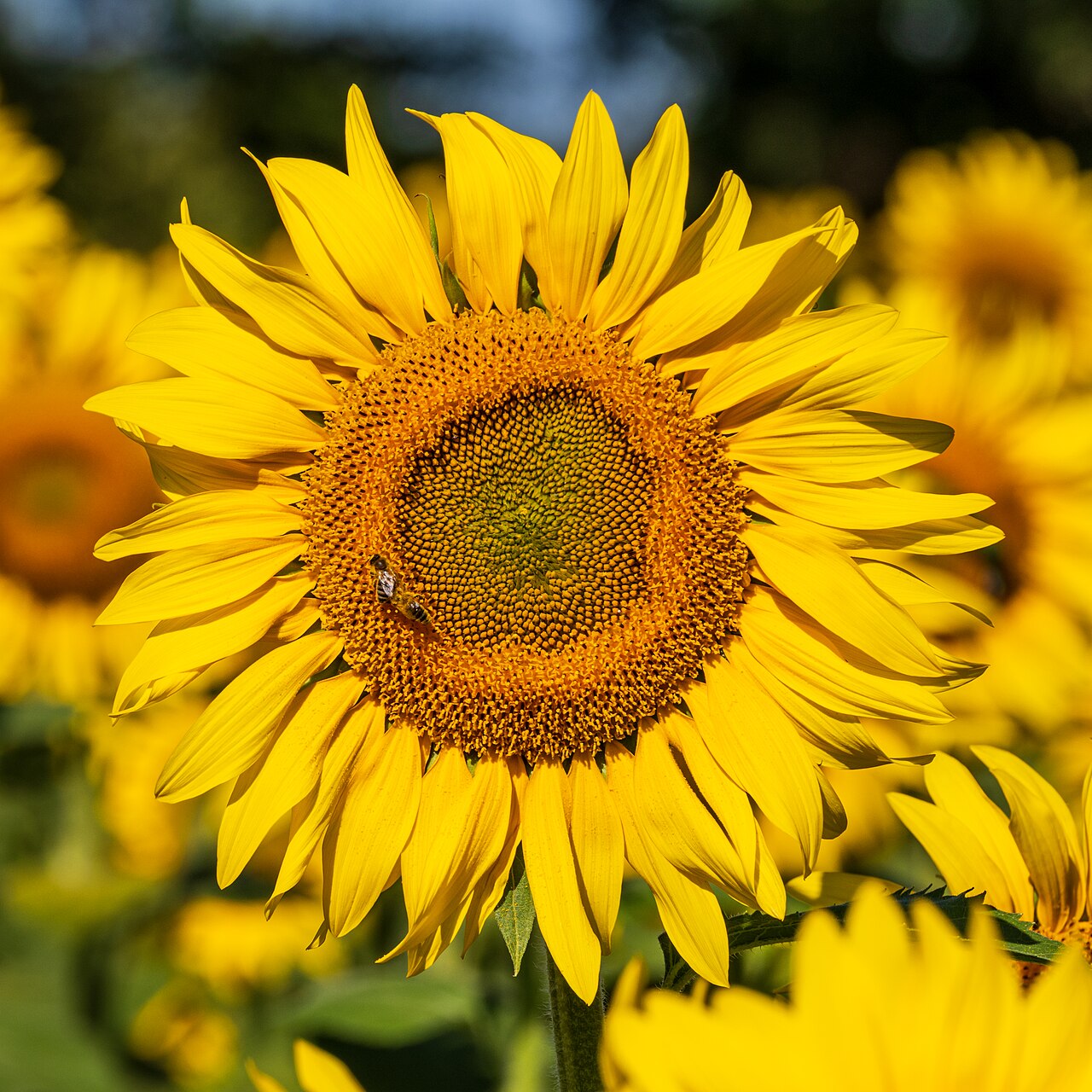
Photo: Wikimedia Commons
A plant has several important parts. Its roots grow underground and drink water from the soil. Its stem holds it up and carries water and food around the plant. Its leaves catch sunlight. Its flowers make seeds, and its seeds grow into new plants. Every part has a job, and together they keep the plant alive.
Photosynthesis: Plants Make Their Own Food
Plants do something no animal can do: they make their own food. This magic trick is called photosynthesis. Here is how it works. A leaf takes in sunlight through a green pigment called chlorophyll — that is what makes leaves green. The roots drink water from the soil, and tiny holes in the leaf let in a gas from the air called carbon dioxide. The plant uses the Sun's energy to turn the water and carbon dioxide into sugar — food for the plant — and it gives out oxygen as a gift. That oxygen is the air you breathe!
So every time you take a breath, thank a plant. The oxygen in the air comes mostly from plants on land and tiny plants in the ocean. Plants and animals help each other: animals breathe out carbon dioxide, which plants need, and plants breathe out oxygen, which animals need. It is a perfect team.
Seeds: Tiny Travellers
How do plants travel if they cannot move? They send their babies — seeds — on journeys! Seeds travel in clever ways. Some, like dandelion seeds, have tiny parachutes that float on the wind. Some, like coconuts, float across the sea. Some hitch a ride on animals: sticky seeds cling to fur, and tasty fruits are eaten by animals, who drop the seeds somewhere new. And some seeds pop! The seed pods of some plants burst open and shoot their seeds far away.
When a seed lands in a good place — with soil, water and warmth — it starts to grow. This is called germination. First a tiny root pushes down into the soil, then a shoot pushes up towards the light. With sunlight, water and air, the shoot grows into a whole new plant. A tiny seed can become a tree taller than a house!
Trees: The Giants of the Plant World
Trees are the biggest plants on Earth. The tallest trees in the world are coast redwoods, which grow in North America and can reach over 110 metres tall — taller than a 30-storey building! Some trees are also among the oldest living things on Earth. Bristlecone pines, which grow high in the mountains, can live for more than 4,000 years. That means some of them were already growing when the pyramids were being built!
Trees are like giant apartment buildings for wildlife. Birds nest in their branches, insects live under their bark, and animals eat their fruits and seeds. Trees also help the whole planet: they take carbon dioxide out of the air, give out oxygen, cool the land with their shade, and hold the soil together with their roots so it does not wash away in the rain.
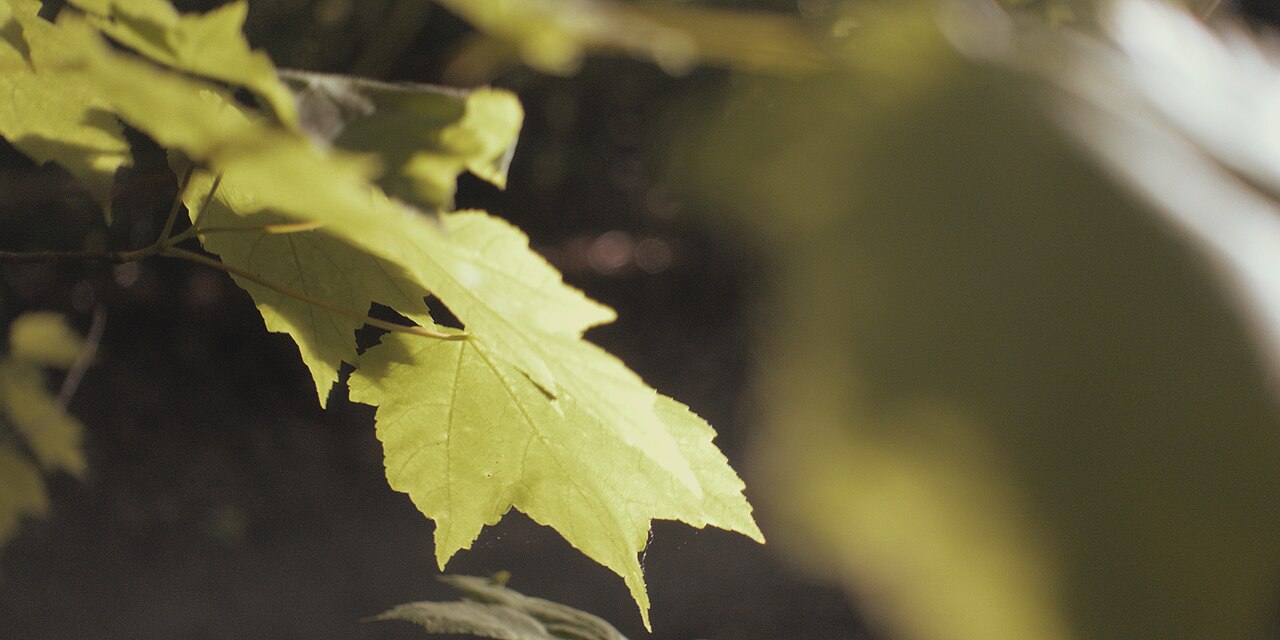
In autumn, many trees lose their leaves. The green chlorophyll fades away, and the leaves turn yellow, orange and red before they fall. The tree rests through winter, then grows fresh new leaves in spring. Trees that lose their leaves are called deciduous, while trees that keep their green needles all year, like pine trees, are called evergreen.
Strange and Wonderful Plants
Not all plants are ordinary! The Venus flytrap is a plant that eats insects. Its leaves snap shut like a trap when an insect touches them. The sensitive plant folds up its leaves when you touch it, as if it is shy. Some kinds of bamboo grow incredibly fast — nearly a metre in a single day! And sunflowers are famous for turning their big yellow faces to follow the Sun across the sky.
Some plants have clever defences. Roses have thorns, nettles sting, and cacti have sharp spines instead of leaves so they lose very little water in the hot desert. Other plants team up with animals: flowers give bees sweet nectar, and in return the bees carry pollen from flower to flower, helping the plants make seeds. This is called pollination, and without it we would have no apples, no strawberries and no chocolate!