Food and Nutrition 🥦
Food is your body's fuel. It gives you energy to run and play, helps you grow taller and stronger, and helps your brain learn. But not all foods do the same job — let's find out what each kind of food does for you.
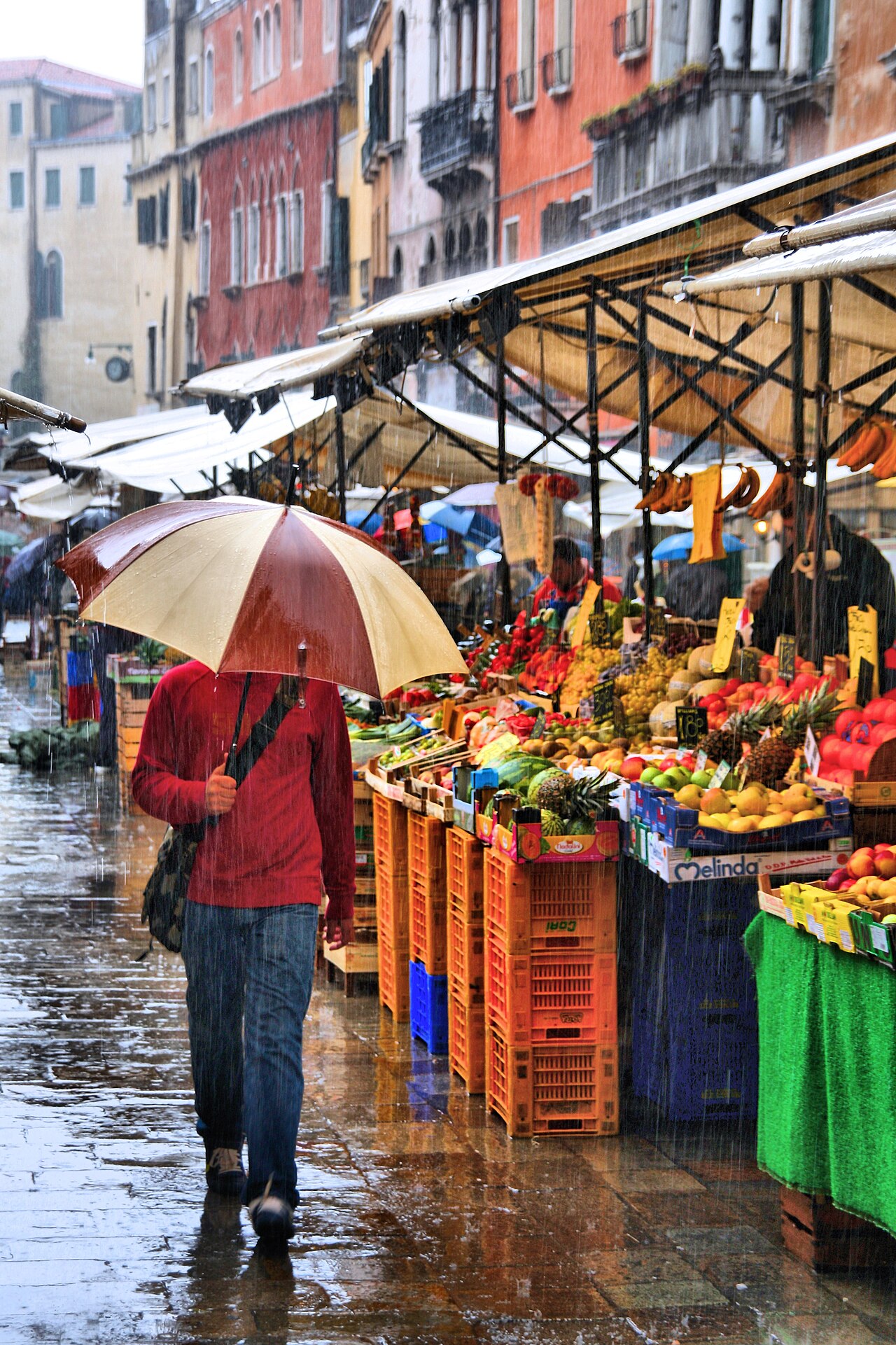
Photo: Wikimedia Commons
Scientists sort foods into groups. Fruits and vegetables give you vitamins and fibre, and they come in all the colours of the rainbow. Grains, like bread, rice, pasta and oats, give you energy — whole grains are the best kind. Protein foods, like meat, fish, eggs, beans and lentils, help you build strong muscles and repair your body. Dairy foods, like milk, cheese and yoghurt, give you calcium for strong bones and teeth. And water is the most important drink of all — your body needs it every day.
A good trick is to "eat a rainbow": try to eat foods of different colours every day. Red tomatoes, orange carrots, yellow corn, green broccoli, blue blueberries and purple grapes each have different vitamins that help your body in different ways. The more colours on your plate, the more good things you are eating!
Vitamins and Minerals: Tiny Helpers
Vitamins are tiny helpers that your body needs in small amounts to stay healthy. Vitamin C, found in oranges, lemons and strawberries, helps your body fight off colds and heals cuts. Vitamin D comes from sunshine on your skin and helps your bones use calcium — that is one reason playing outside is healthy! Vitamin A, found in carrots and sweet potatoes, helps your eyes see well.
Minerals are tiny helpers too. Calcium builds strong bones and teeth — you get it from milk, cheese, yoghurt and leafy greens. Iron helps your blood carry oxygen around your body — you get it from meat, beans, lentils and spinach. Without enough iron, you can feel tired and weak.
Fibre is the part of plants that your body cannot digest, but it is still very important: it helps your stomach work well and keeps you feeling full. Whole grains, fruits, vegetables, beans and nuts are all full of fibre.
Your Body's Food Journey
When you eat, your food goes on a long journey. Your teeth chew it into small pieces, and your saliva starts to break it down. In your stomach, strong juices mix the food into a soup. In your intestines — tubes about 9 metres long when stretched out — the good parts of the food pass into your blood, which carries them to every part of your body. Your body uses the food for energy, for growing, and for repairing itself.
Different foods give your body different kinds of energy. Foods with carbohydrates, like bread and rice, give quick energy. Foods with protein, like eggs and beans, help you grow and repair. Foods with healthy fats, like nuts, seeds and olive oil, give you long-lasting energy and help your brain work. Your body needs all three — that is why a balanced plate has a little of everything.
Building a Healthy Plate
Imagine your plate is divided into parts. Fill about half of it with fruits and vegetables — the more colours, the better. Fill about a quarter with grains, like rice or bread, and about a quarter with protein foods, like chicken, fish, eggs or beans. Add a glass of milk or a pot of yoghurt, and drink water with your meal. That is a balanced plate!
Sweets, fizzy drinks and crisps are not bad as an occasional treat, but they do not help your body much — they are full of sugar and salt and have very few vitamins. If you eat too much sugar, it can harm your teeth and make you feel tired. Save treats for special times, and let your everyday food be the colourful, healthy kind.
Breakfast is a great way to start the day. After a whole night of sleeping, your body needs fuel. A good breakfast might be whole-grain bread with eggs, or oats with milk and fruit. Kids who eat breakfast often find it easier to concentrate and learn at school!