Amazing Animals 🦁
Animals live almost everywhere on Earth — in hot deserts, deep oceans, thick rainforests and freezing ice. There are millions of kinds of animals, from tiny ants to the biggest animal that has ever lived. Let's meet some of them and discover their superpowers.
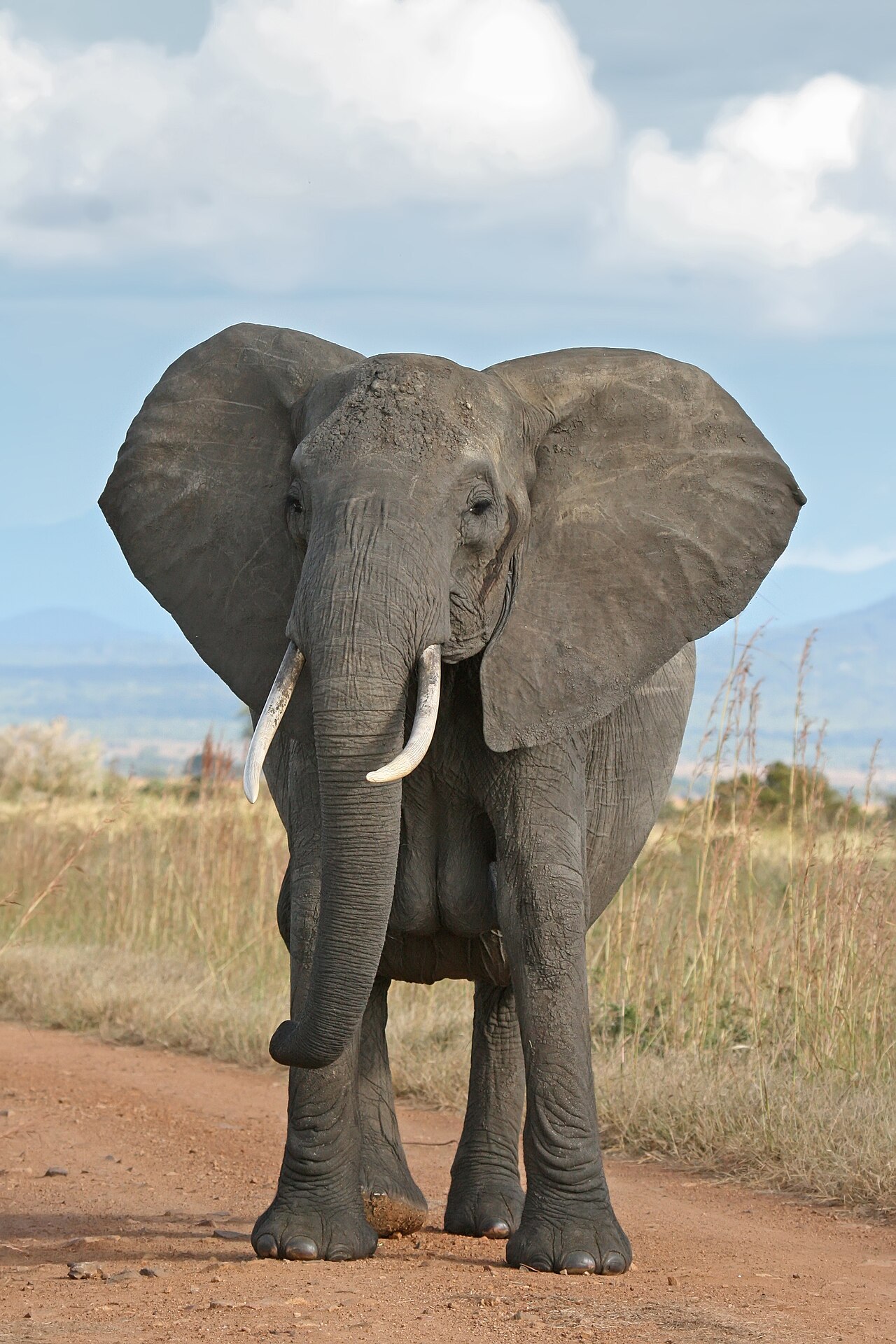
Photo: Wikimedia Commons
Scientists sort animals into groups. Mammals are warm-blooded animals that feed their babies milk — like dogs, whales, elephants and you! Birds have feathers and most can fly. Reptiles, like snakes and lizards, have scales. Amphibians, like frogs, live both in water and on land. Fish live in water and breathe through gills. And insects are the biggest group of all — there are more kinds of insects than all other animals put together!
Animal Record Holders
Some animals hold amazing records. The blue whale is the largest animal known to have ever lived on Earth — even bigger than the biggest dinosaurs! It can grow up to about 30 metres long and weigh about 150 tonnes. Its heart alone is huge, and it eats tiny shrimp-like animals called krill. A blue whale can eat several tonnes of krill in a single day.
The cheetah is the fastest land animal. It can run at about 60 miles per hour (100 kilometres per hour) in short bursts — as fast as a car on a motorway! But it can only keep that speed for a short distance, so it must catch its food quickly. The fastest animal of all is the peregrine falcon, which dives through the air at over 300 kilometres per hour to catch other birds.
The giraffe is the tallest land animal. Its long neck helps it reach leaves high up in trees that other animals cannot reach. The ostrich is the largest bird, but it cannot fly — instead it runs very fast on its long, strong legs. And the African elephant is the largest land animal, using its long trunk like a hand to pick up food, drink water and even give itself a shower!
Habitats: Where Animals Live
A habitat is the place where an animal lives — its home. Every habitat gives animals the food, water and shelter they need. Deserts are hot and dry, rainforests are warm and wet, oceans are salty and deep, and the Arctic is cold and icy. Different animals are built for different habitats.
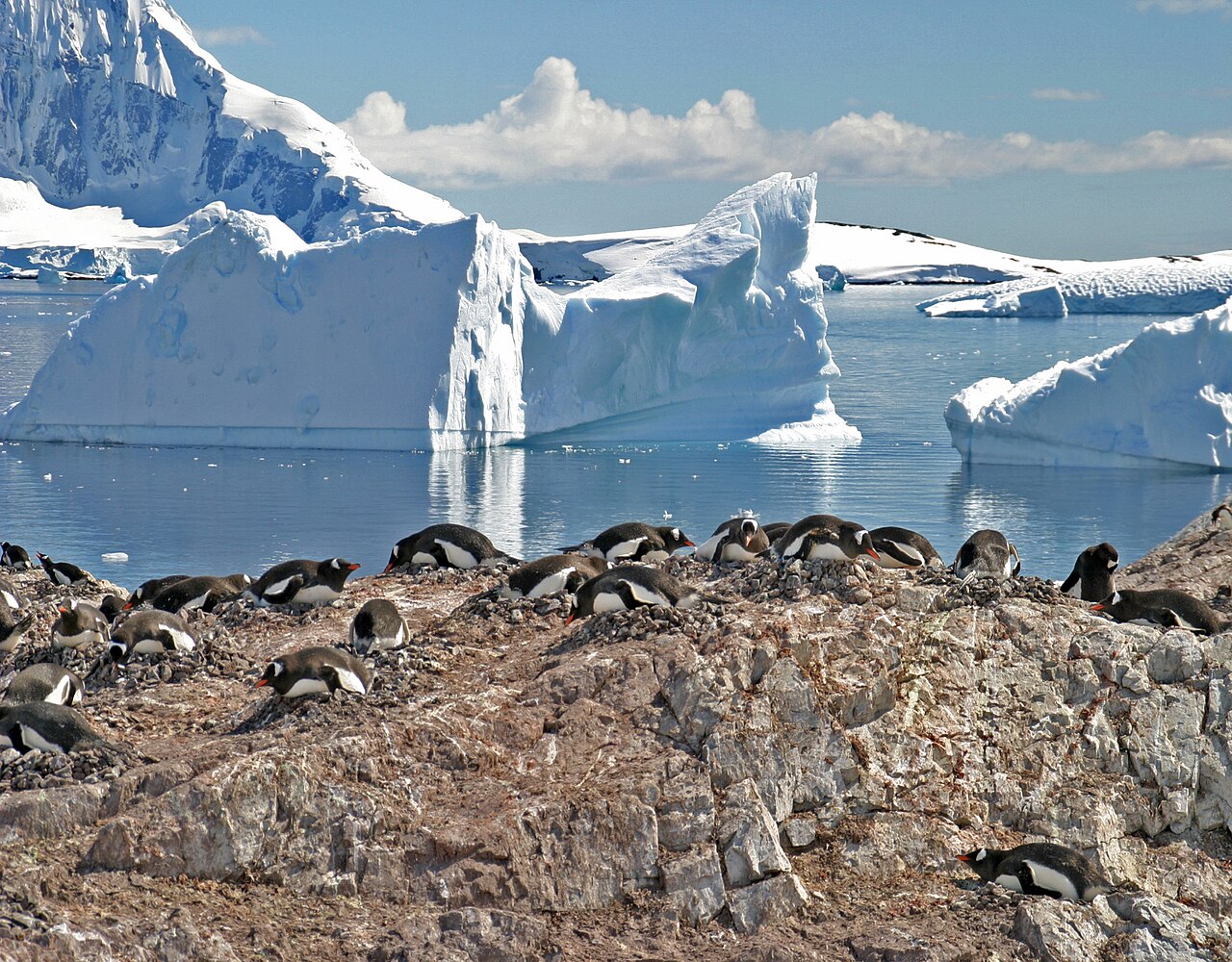
In the desert, camels can go for days without drinking, and their humps store fat — not water, as many people think! The fat gives them energy when food is hard to find. In the Arctic, polar bears have thick fur and a layer of fat to keep warm, and penguins huddle together to share body heat. In the rainforest, colourful frogs and toucans live in the trees, where they find food and stay safe from animals on the ground.
In the ocean, fish breathe underwater with gills, whales hold their breath for a long time and come up to breathe air, and tiny coral animals build huge reefs that become homes for thousands of other sea creatures. Every habitat is like a neighbourhood, and every animal has a job in it.
Adaptations: Nature's Clever Tricks
An adaptation is a special body part or behaviour that helps an animal survive in its home. Animals have had millions of years to develop these clever tricks.
- Camouflage: A chameleon can change its skin colour to match its surroundings. Stick insects look exactly like sticks, and polar bears look white against the snow — so their food does not see them coming.
- Speed: Gazelles run fast to escape cheetahs. Kangaroos hop at high speed across Australia. Hummingbirds flap their wings so fast they can hover in the air like tiny helicopters.
- Armour: Tortoises hide inside their hard shells. Hedgehogs roll into a spiky ball. Armadillos wear a suit of bony plates.
- Night vision: Owls have huge eyes that see well in the dark, and they can turn their heads almost all the way around to look for food.
- Teamwork: Ants work together in huge colonies, bees dance to tell each other where the flowers are, and wolves hunt in packs.
Bats are the only mammals that can truly fly. They use sound to "see" in the dark — they make tiny squeaks and listen to the echoes to find insects. This is called echolocation, and dolphins use it too, underwater.
Amazing Animal Journeys
Some animals travel enormous distances every year. This is called migration. The Arctic tern is the champion traveller: it flies from the Arctic in the north all the way to Antarctica in the south and back again every year — a journey of tens of thousands of kilometres! It sees more daylight than any other animal, because it follows the summer from one end of the Earth to the other.
Monarch butterflies also migrate. They fly thousands of kilometres from North America to Mexico, even though no single butterfly has ever made the journey before — the butterflies that arrive in Mexico are the great-great-grandchildren of the ones that left! Salmon swim from the ocean back up rivers to the exact place where they were born. How do they find their way? Scientists are still working out all the secrets of animal navigation.
Some animals sleep through the hard season instead of travelling. Bears, hedgehogs and some frogs hibernate — they sleep deeply through winter, living off the fat stored in their bodies, and wake up when spring comes. It is nature's way of waiting for better times.
