Simple Experiments You Can Try at Home 🧪
Ready to be a scientist? You do not need a laboratory — your kitchen is full of science waiting to happen! All the experiments on this page use safe, everyday things. But remember the golden rule: always ask an adult to help and supervise, and always clean up afterwards.
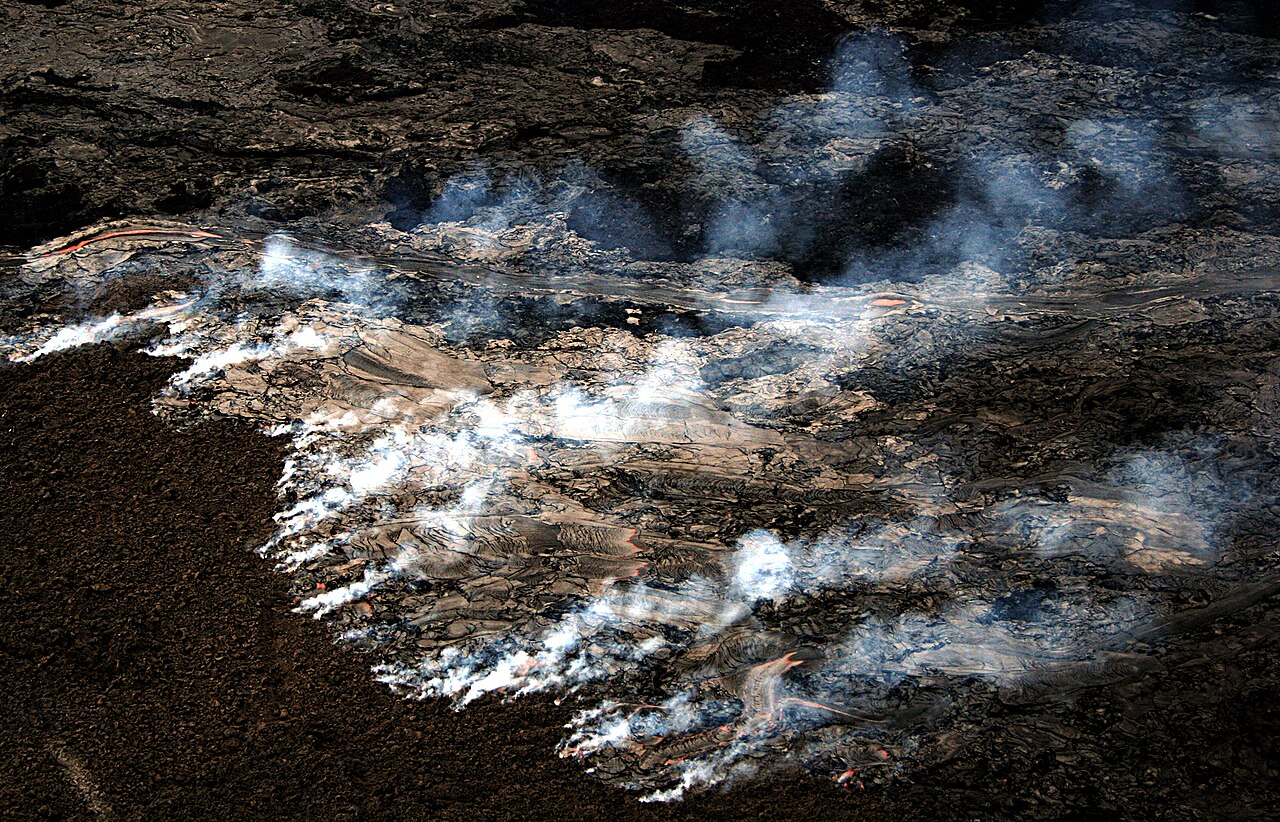
Photo: Wikimedia Commons
Before you start any experiment, remember how scientists work: ask a question, make a guess, test it, and write down what happened. Keep a science notebook — a real scientist's best friend! Now, put on your safety thinking cap and let's begin.
1. Make a Volcano Erupt!
You need: a small plastic bottle, baking soda, vinegar, a few drops of red food colouring, a tray, and an adult to help.
What to do: Stand the bottle on the tray. Put three big spoonfuls of baking soda inside the bottle. Add a few drops of red food colouring. Now pour in half a cup of vinegar — and step back quickly!
What happens: Red, bubbly "lava" foams up and pours out of the bottle, just like a real volcano! The baking soda and vinegar react with each other and make a gas called carbon dioxide. The gas pushes the liquid up and out, making the eruption. Real volcanoes erupt when hot, melted rock and gases push up from deep inside the Earth — you can read about that on our Earth page.
2. A Rainbow in a Glass
You need: a tall clear glass, honey, washing-up liquid, water, cooking oil, and food colouring.
What to do: With an adult's help, slowly pour the liquids into the glass in this order: honey first, then washing-up liquid, then coloured water, then oil. Pour each one very slowly down the side of the glass.
What happens: The liquids stay in separate layers, like a rainbow! That is because each liquid has a different density — how heavy it is for its size. The heaviest liquid sinks to the bottom, and the lightest floats on top. Honey is the heaviest, and oil is the lightest. This is the same reason oil floats on water in the sea.
3. The Floating Egg
You need: two glasses of water, a raw egg, salt, and a spoon.
What to do: Put the egg gently into the first glass of plain water. It sinks. Now stir lots of salt into the second glass until it dissolves, then put the egg in. What happens?
What happens: The egg floats in the salty water! Salt makes the water denser — heavier for its size — so the water can hold the egg up. This is why it is easier to float in the sea than in a swimming pool: sea water is salty. The Dead Sea is so salty that people can float on it without even trying to swim!
4. Invisible Ink
You need: a lemon, a small bowl, a cotton bud, white paper, and an adult with a lamp or iron.
What to do: Squeeze the lemon juice into the bowl. Dip the cotton bud in the juice and write a secret message on the paper. Let it dry completely — the writing will disappear! To read it, ask an adult to hold the paper near a warm lamp (not touching it) for a few minutes.
What happens: The secret message turns brown and appears! The heat changes the lemon juice, making it darker than the paper. Real spies in history used secret inks like this. The juice is a weak acid, and heat speeds up the chemical change that turns it brown.
5. Celery That Drinks Colours
You need: a stick of celery with leaves, a glass of water, and blue or red food colouring.
What to do: Put the celery in the glass of coloured water and leave it on a windowsill overnight. In the morning, look closely at the leaves and cut the stem across the bottom.
What happens: The leaves have turned the colour of the food colouring, and you can see tiny coloured dots inside the cut stem! The celery drank the water through tiny tubes called xylem, which carry water up from the roots to the leaves. That is how a real plant drinks — the same tubes carry water up a tree taller than a house!
6. The Balloon That Bends Water
You need: a balloon, a tap with running water, and your hair.
What to do: Blow up the balloon and rub it on your hair for about 10 seconds. Turn on the tap so a thin stream of water runs, and hold the balloon close to the stream — but not touching it.
What happens: The stream of water bends towards the balloon! Rubbing the balloon gives it a static electric charge, and the charge pulls the tiny charges inside the water. You can learn more about electricity on our Energy page.
Safety Rules for Young Scientists
Science is fun, but safety comes first. Always follow these rules: 1. Always ask an adult before you start, and keep them nearby. 2. Never taste or eat anything in an experiment unless an adult says it is food. 3. Never mix chemicals from around the house — only use what the instructions say. 4. Wear old clothes and protect your eyes. 5. Wash your hands when you finish, and clean up your work area. A good scientist is a safe scientist!
