Water and Weather 💧
Water is everywhere — in the oceans, in the clouds, in the rain, and even inside your own body. And the weather changes every day, from sunny skies to rainy storms. Let's follow a drop of water on its amazing journey around the world.
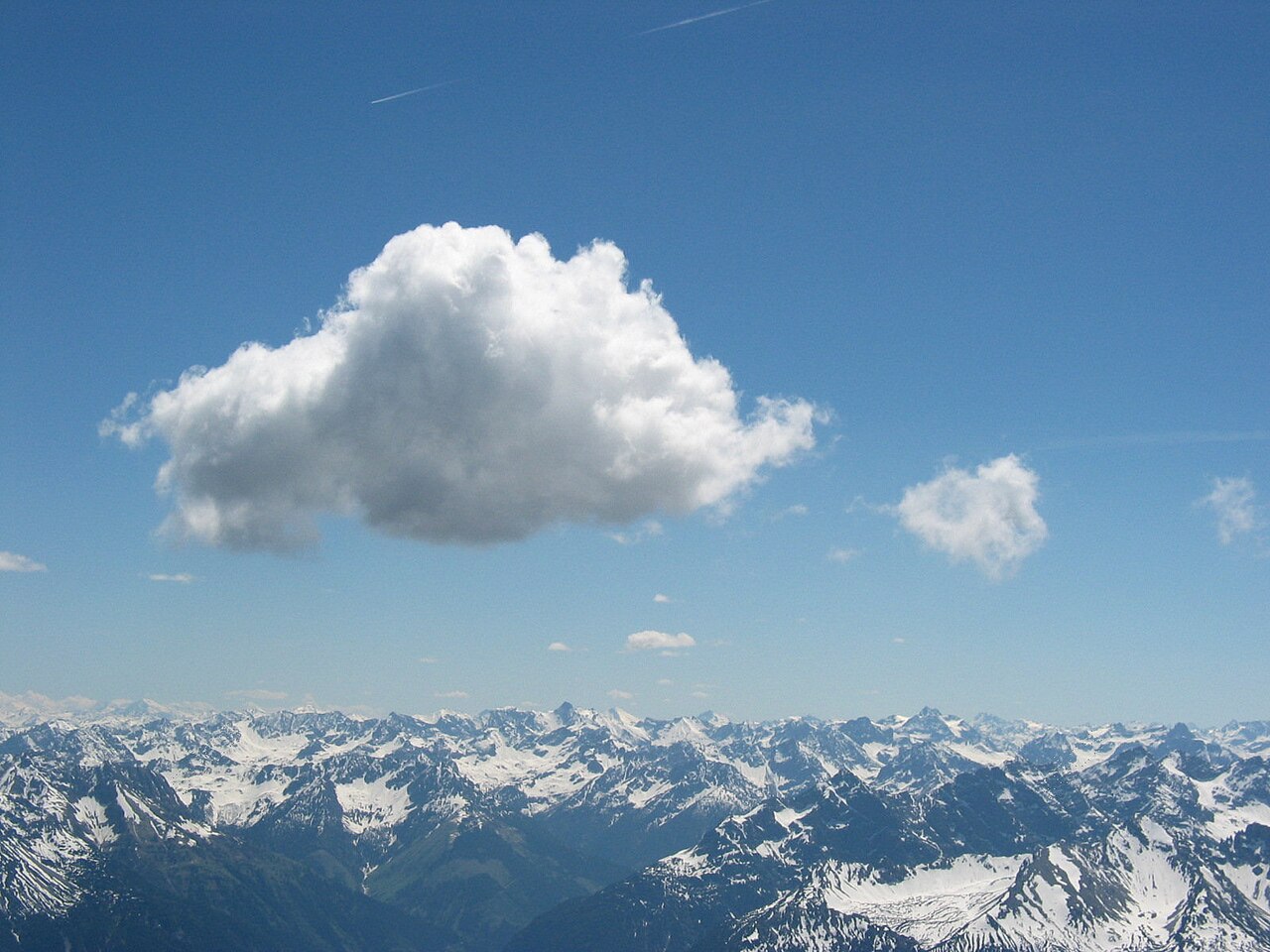
Photo: Wikimedia Commons
About 71% of Earth's surface is covered by water. Most of it — about 96.5% of all the water on Earth — is salty ocean water. Only about 2.5% is freshwater, the water we can drink, and most of that is locked away in ice at the North and South Poles. That means the water we drink and use every day is a tiny, precious part of all the water on Earth.
Your body is about 60% water. Water helps your blood carry food around your body, helps you digest your meals, and keeps you cool when you sweat. That is why drinking water every day is so important — especially when you play and run in the heat.
The Water Cycle: Water's Never-Ending Journey
Water never leaves Earth. The same water has been travelling around our planet for billions of years — the water you drink today could be the same water a dinosaur drank! This journey is called the water cycle, and it has four main steps.
Step 1 — Evaporation: The Sun warms the oceans, lakes and rivers, and water turns into an invisible gas called water vapour and rises into the sky. Plants help too: they release water vapour from their leaves, which is called transpiration.
Step 2 — Condensation: High in the sky, the air is cold, so the water vapour cools and turns back into tiny drops of water. Billions of these tiny drops gather together to make a cloud.
Step 3 — Precipitation: When the drops in a cloud get heavy enough, they fall back to Earth as rain. If it is very cold, they fall as snow, hail or sleet.
Step 4 — Collection: The water gathers in rivers, lakes and oceans, or soaks into the ground, and then the Sun warms it up again — and the whole cycle starts over!
Clouds, Rain and Rainbows
Clouds come in different shapes, and each shape tells you something about the weather. Fluffy white cumulus clouds usually mean fair weather. Flat, grey stratus clouds often bring drizzle. Tall, dark cumulonimbus clouds are storm clouds — they can bring heavy rain, thunder and lightning. And thin, wispy cirrus clouds, high in the sky, are made of ice crystals.
Rain falls when the drops in a cloud get too heavy to float. Snow forms when it is so cold that the drops freeze into beautiful six-sided crystals — and no two snowflakes are exactly alike! Hail is made when strong winds toss raindrops up and down inside a storm cloud, adding layers of ice until the hailstones are too heavy and fall to the ground.
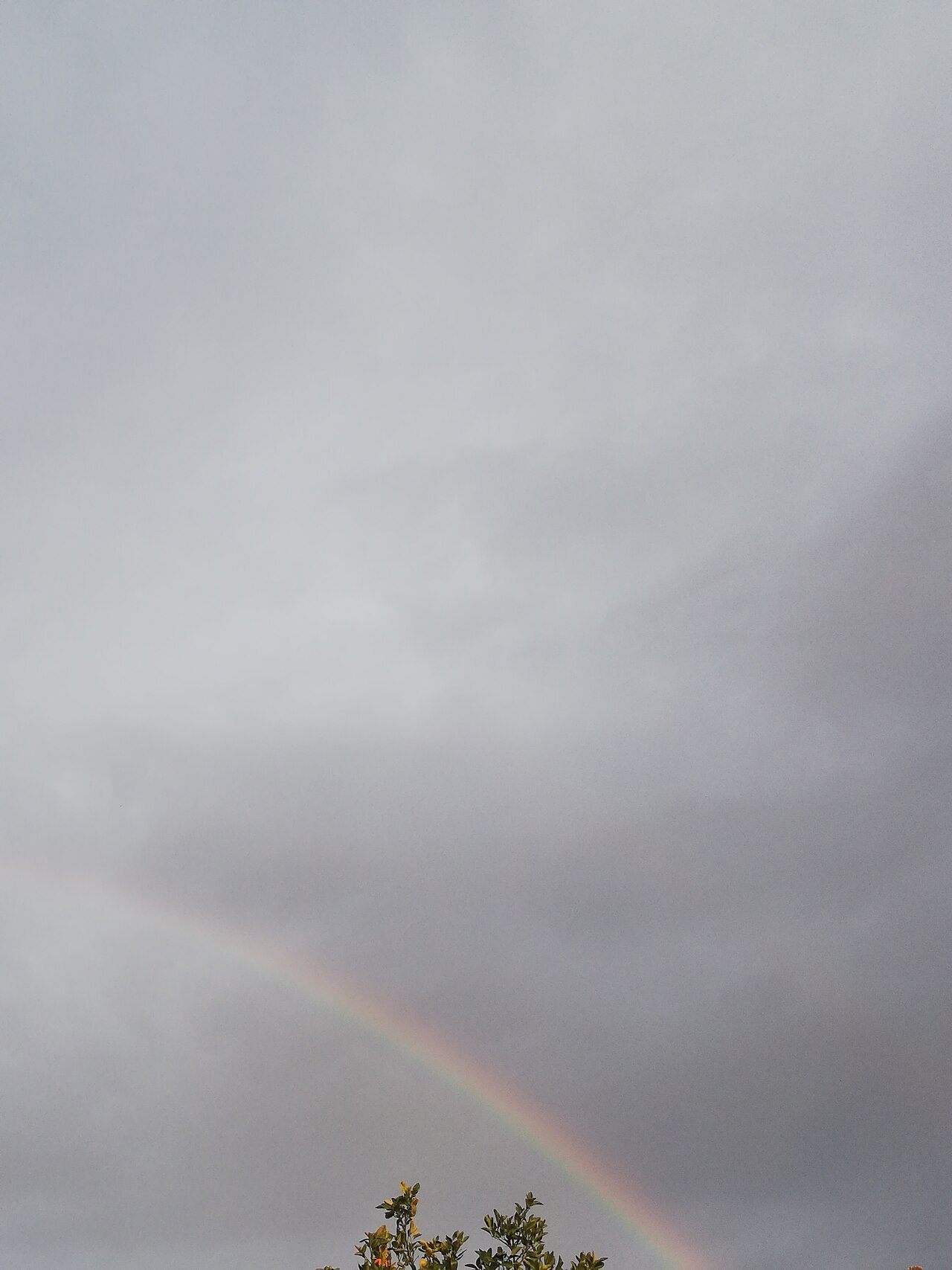
A rainbow appears when the Sun shines through rain. The sunlight bends as it passes through each raindrop and splits into colours: red, orange, yellow, green, blue, indigo and violet. You can only see a rainbow when the Sun is behind you and the rain is in front of you.
Thunder, Lightning and Storms
Have you noticed that you always see lightning before you hear thunder? That is because light travels much faster than sound. Light from the lightning reaches your eyes almost instantly, but the sound of thunder takes time to travel through the air. If you count the seconds between the flash and the thunder, you can tell how far away the storm is — about 3 seconds means the storm is about 1 kilometre away.
Lightning is a giant spark of electricity in the sky, and it is hotter than the surface of the Sun! Thunder is the sound that lightning makes as it heats the air around it so quickly that the air bursts outwards. A storm with thunder and lightning is called a thunderstorm, and the safest place to be is indoors.
Big storms have different names in different places. A hurricane is a huge storm that forms over warm ocean water, with very strong winds and heavy rain. A tornado is a spinning column of air that touches the ground and can be very powerful. Weather scientists, called meteorologists, use satellites, radars and computers to predict the weather and warn people about storms.